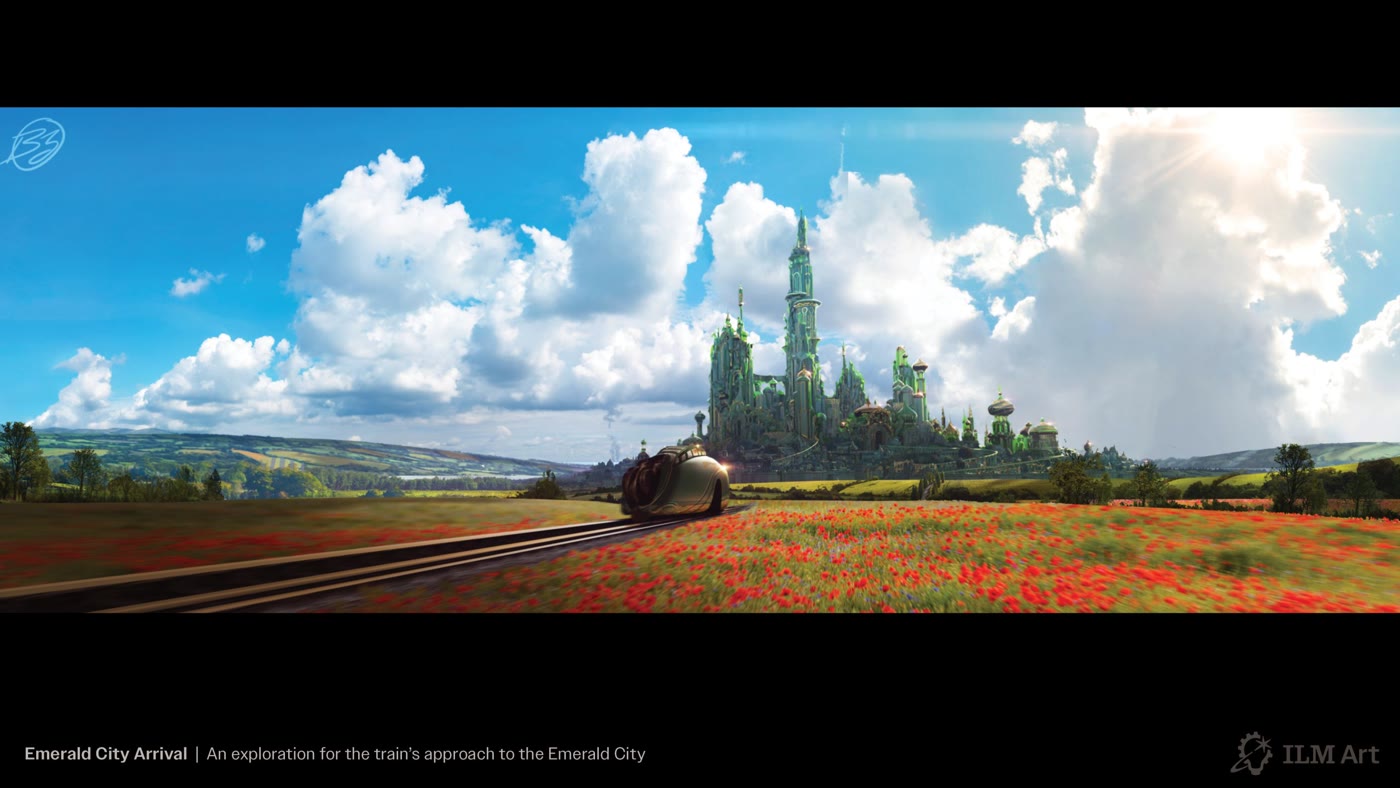
This document is the third in a three-part study. The first is the Wicked show and film as artworks. The second is the source material they draw from. This third document explains the funnel between them — how a story that began in 1900 in Chicago, written by a failed playwright for a children's magazine, eventually becomes a Broadway mega-musical and a two-part Universal Pictures feature film, with a $150 million production budget and a soundtrack that lives on every streaming platform.
The distillation takes roughly 105 years of compounding creative work, distributed across three copyright regimes (public domain, MGM, HarperCollins), at least four major creative teams (Baum; MGM; Maguire; Schwartz/Holzman/Chu), and a chain of choice points where someone could have walked away. They did not. That is the process.
Why This Document Exists
The sister sites cover two facts:
- The Wicked show and film as a body of artwork — characters, songs, scenes, costumes, lighting, and the visual choices that make it what it is (port 8080).
- The source material that fed into the show — Baum's books, the 1939 film, Maguire's novels (port 8081).
What neither covers is the question: how do you actually take a children's book from 1900 and turn it into a two-part film in 2024/2025? Not as marketing, not as Hollywood anecdote, but as a series of concrete adaptation decisions that someone made at a desk, in a rehearsal room, in an editing suite, or on a soundstage.
This document covers that. It walks the funnel step by step — public-domain acquisition, novel draft, musical development, Broadway tryouts, song-cuts, screenplay rewrites, casting, and the long path from the 2003 stage to the 2024 and 2025 films.
The Funnel at a Glance
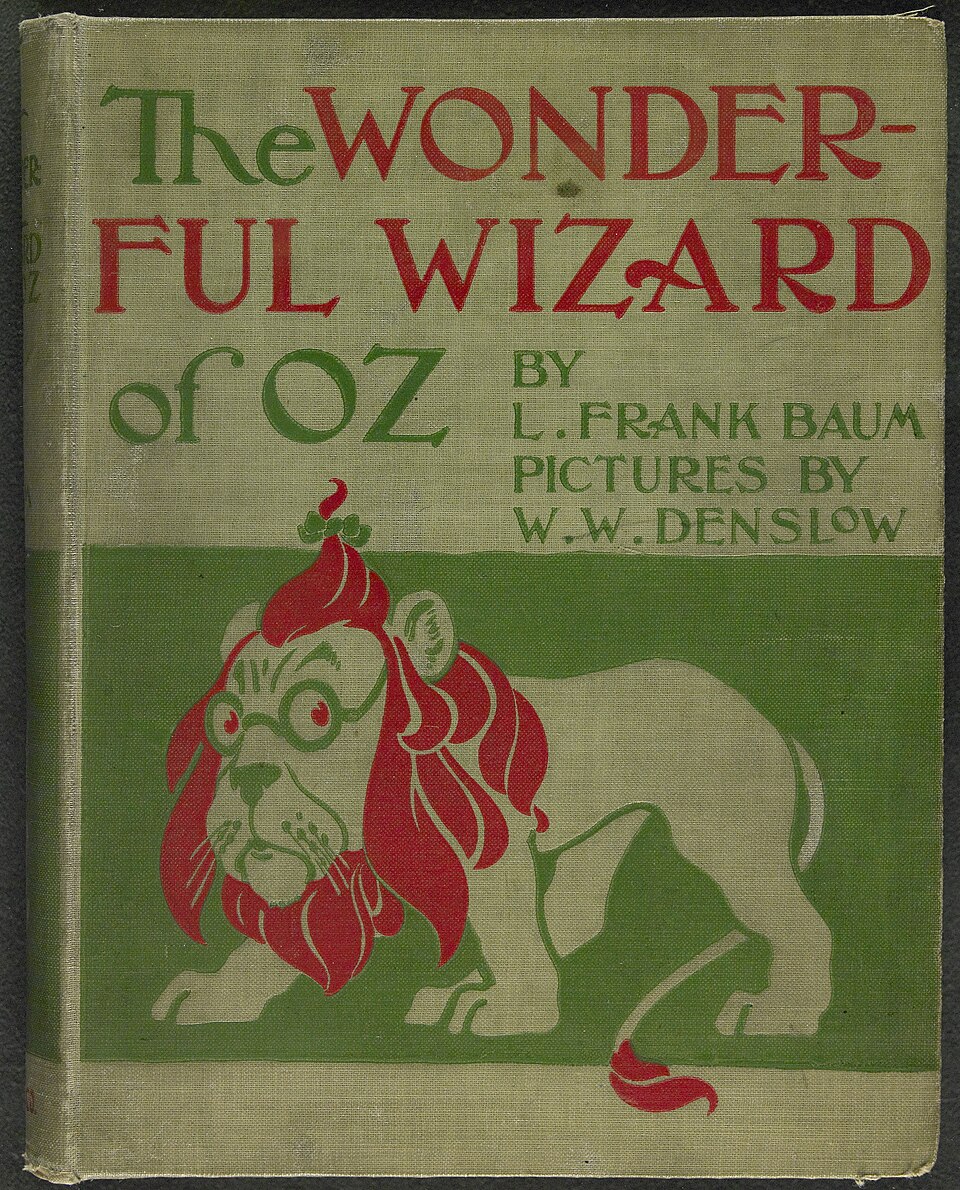
(public domain)
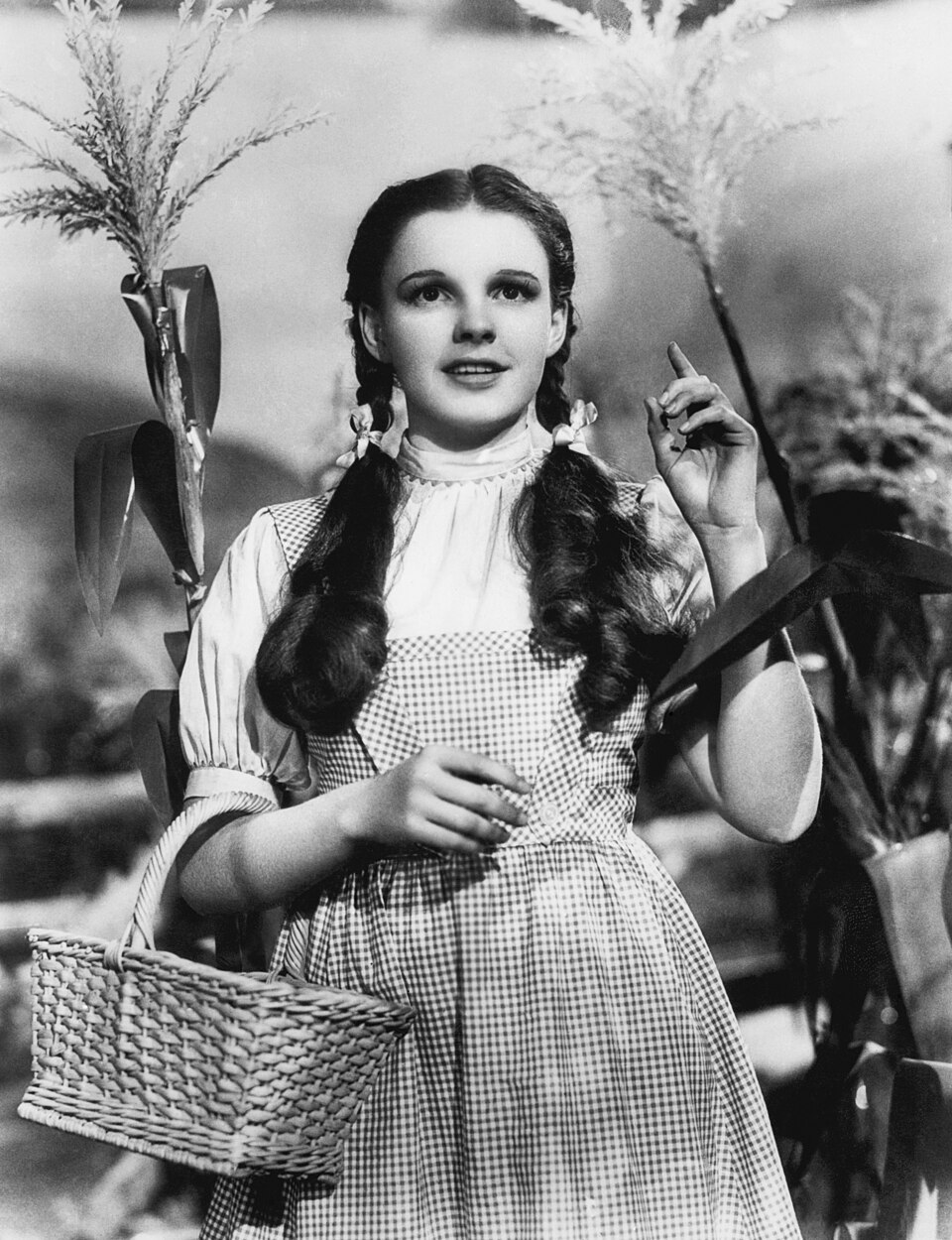
(copyrighted, fair use)
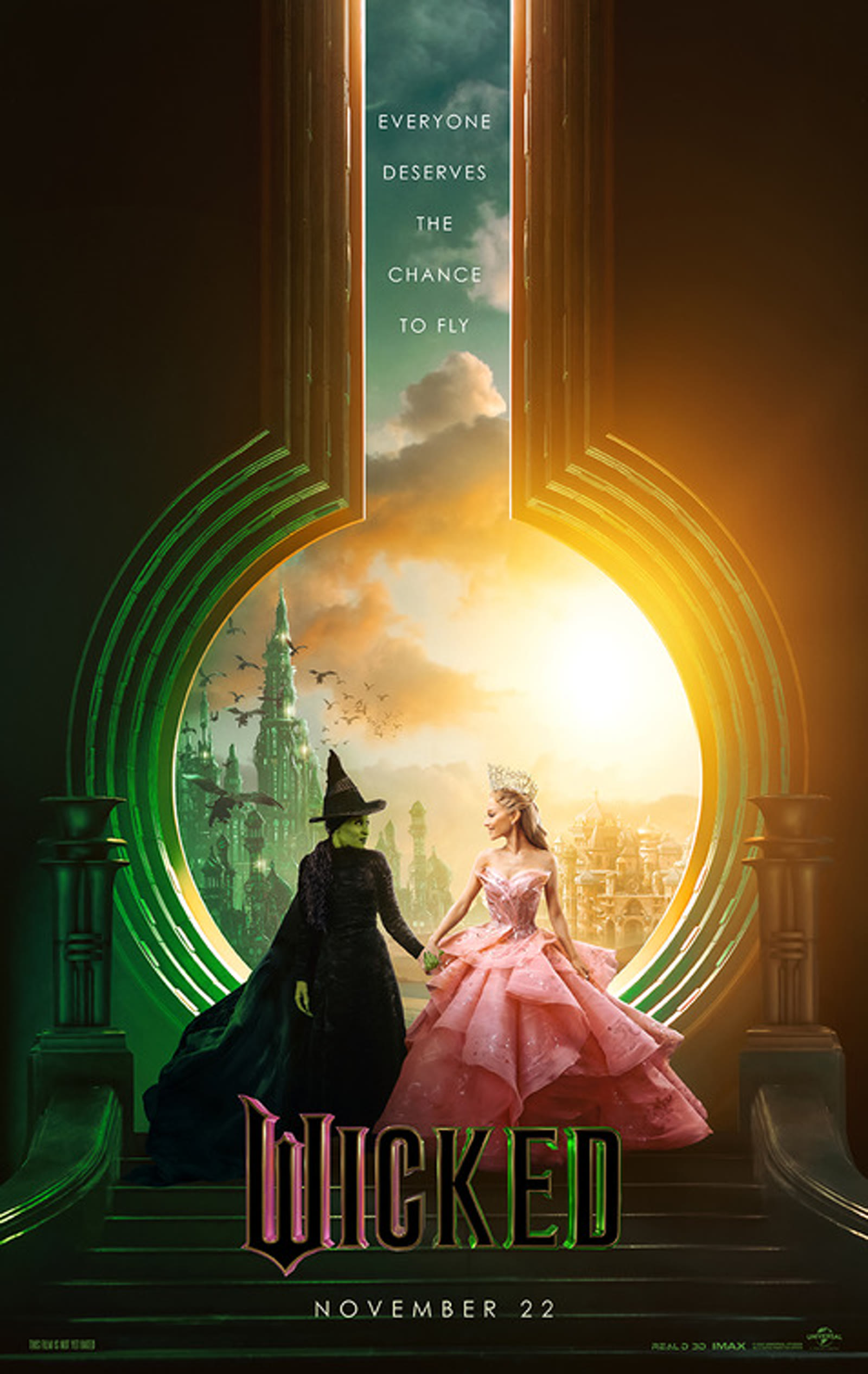
(copyrighted, fair use)
What This Document Will and Won't Do
Trace the concrete steps — what gets optioned, what gets dropped, what gets invented, what gets re-cut. Show the timeline, name the people, list the songs that were cut and why.
Replace the sister guides. The artistic analysis of the Wicked show lives at port 8080. The source-material analysis lives at port 8081. This is the process layer — the adaptation craft, the decision points, the production reality.
How to Read This
Read top to bottom for the full funnel, or jump to a specific stage:
The Pipeline
The full timeline from 1900 to 2025 — every documented date, every choice point, every song that was cut.
Book → Book
How Maguire took Baum's 1900 novel (public domain since 1995) and turned it into a 1995 adult novel — the 95-year gap, the tonal reversal, the political overlay.
Book → Musical
How Schwartz and Holzman took Maguire's novel and turned it into a 2003 musical — what's kept, what's dropped, what's invented, what gets a song.
Musical → Film
How the 2024 and 2025 films adapted the 2003 stage show — the two-part split, the screenplay additions, the visual re-design, what changes when a song becomes a scene.
Adaptation Theory
The cross-cutting patterns: what survives translation, what doesn't, and why. Useful if you want to read the funnel as craft, not just history.
Sources
Every fact in this document is traceable to a primary source. See the page for the bibliography.
A Note on What I Don't Know
This document is built from public sources: Wikipedia, the musical's Wikipedia article, the film's Wikipedia article, contemporary interviews, the official production pages, and the published works themselves. Where the public record is incomplete (e.g., the specific terms of Maguire's option agreement with Universal, or the full Schwartz-Holzman draft-by-draft history), I've flagged that gap rather than guessed.
Adaptation is mostly private. The meetings where Schwartz said "yes" to Maguire in 1998, the cut songs from the 2001 workshop, the Dana Fox screenplay rewrites — these leave public traces only intermittently. What survives in the public record is the trajectory, not the room.