Before There Was Wicked, There Was Oz
A century and more of stories about a girl from Kansas, a city of green glass, a witch, and the friends who walked the yellow brick road together — examined on its own terms, as a body of source material, before any musical adaptation was ever staged.
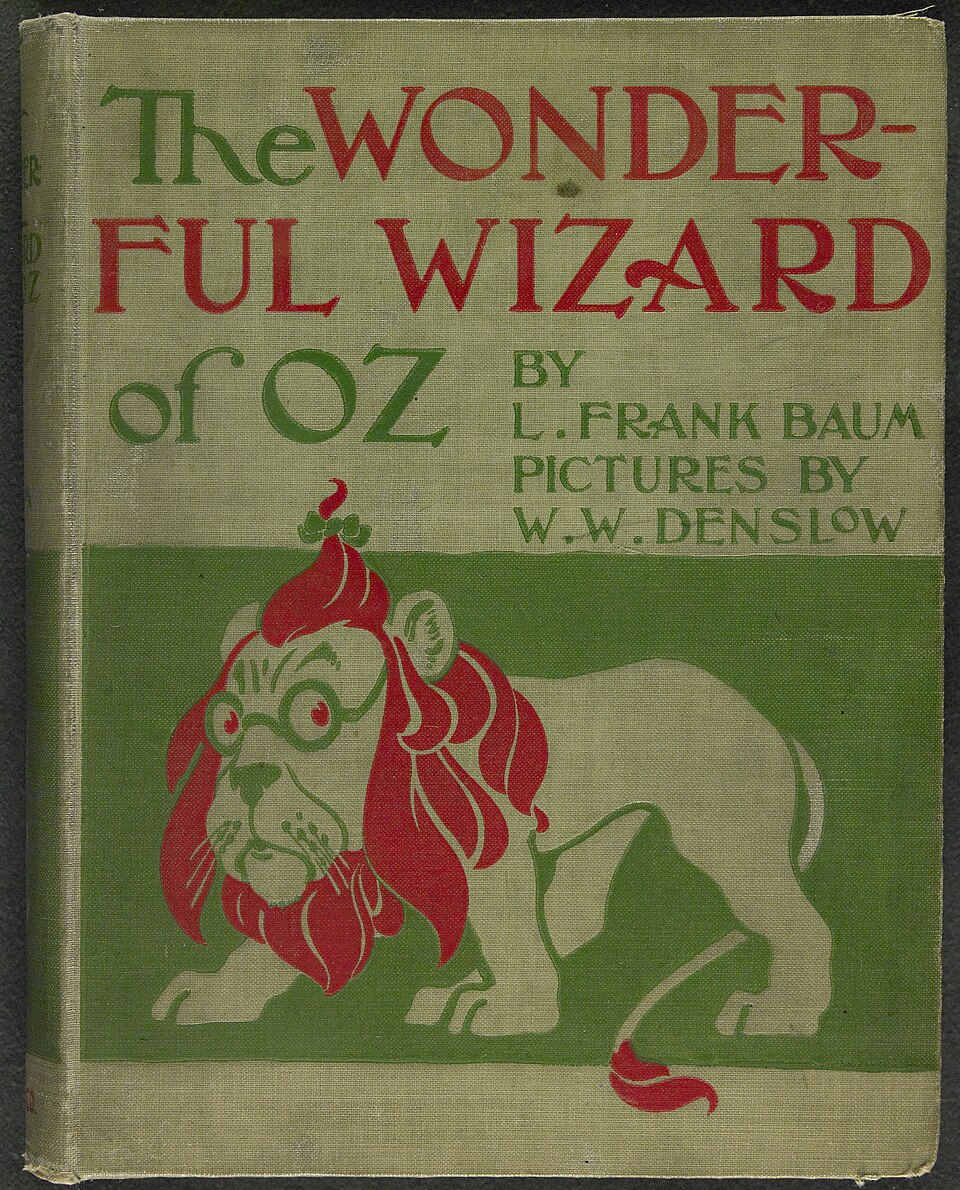
(Denslow cover)
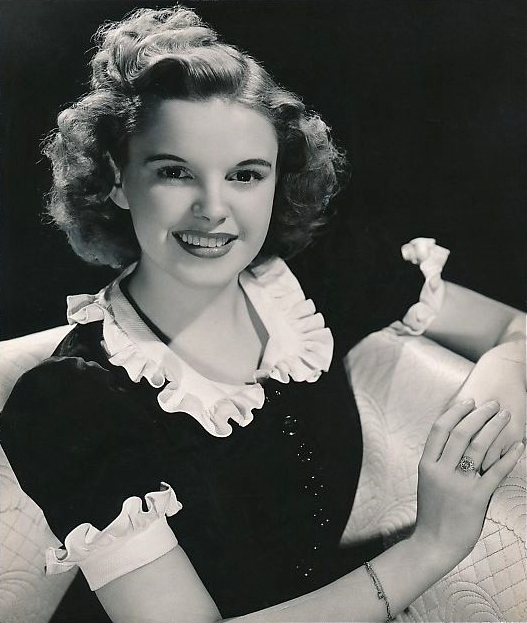
(Garland promotional)
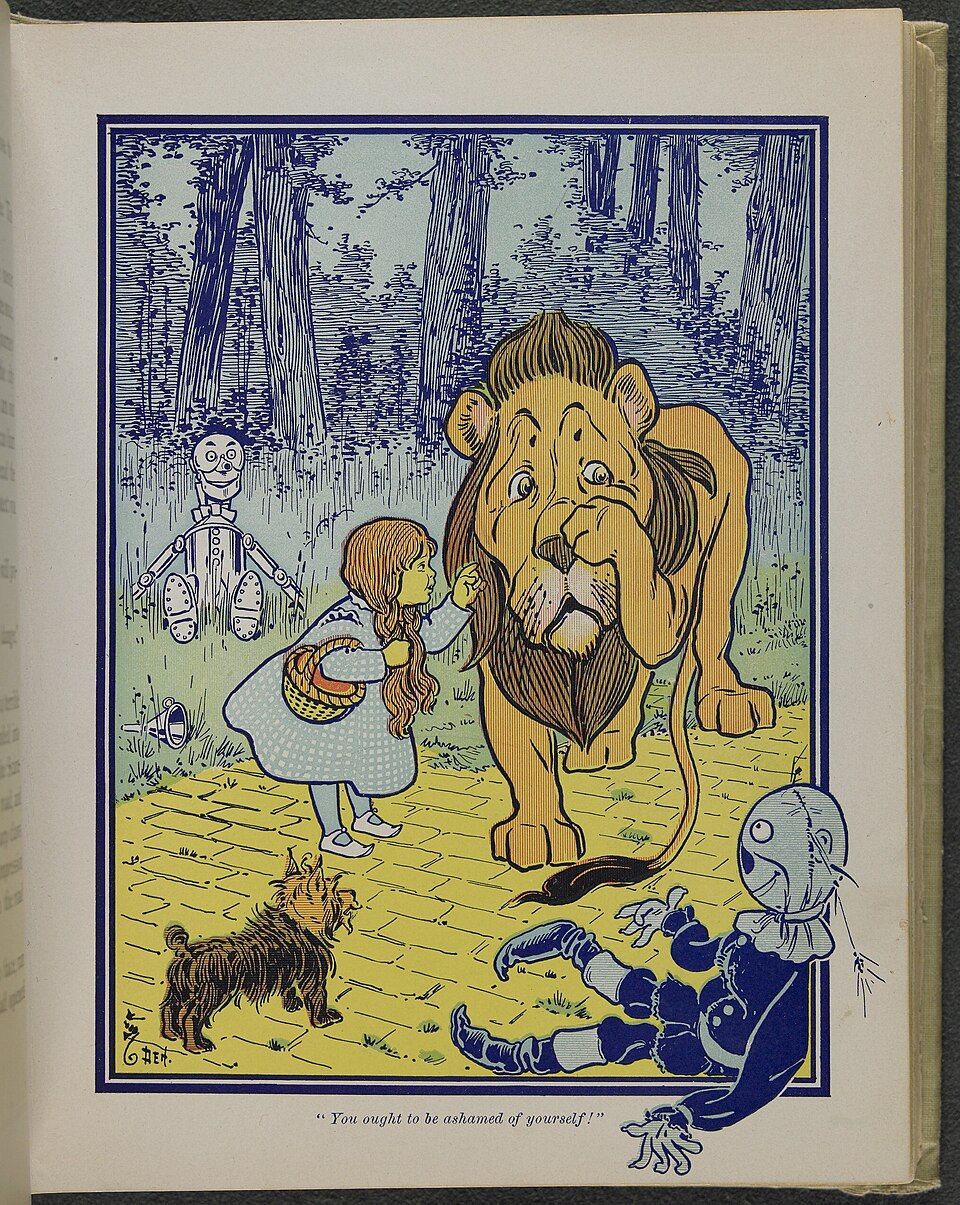
(Cowardly Lion plate)
❦ ❦ ❦
What This Guide Covers
The musical Wicked (2003) was not born from a single source. It is the third layer in a chain of adaptation that began with L. Frank Baum in 1900, was re-imagined by MGM in 1939, and was re-told by Gregory Maguire in 1995 — and only then did Stephen Schwartz and Winnie Holzman turn it into the stage musical we know. Each layer added something the previous one had not: Baum invented the world, MGM made it sing, Maguire told the other side, and Schwartz turned it into a fable about friendship and complicity.
This guide looks at that source material in its own right — not as a backstory to Wicked, but as a self-contained body of work with its own characters, themes, and visual traditions. We trace the Oz books Baum wrote, the film MGM made, the novels Maguire wrote, and how they relate to one another. Where the musical uses them, we note it; but our center of gravity is the source, not the show.
The Three Layers of Source Material
1. L. Frank Baum's Oz (1900–1920)
Baum wrote the foundational American fairy tale. The Wonderful Wizard of Oz (1900) is the source-of-sources — but Baum kept writing Oz for twenty years, and later books in the series introduced Glinda as the supreme witch, the Nome King's underground tunnels, the Scarecrow's reign in the Emerald City, and dozens of other details that Maguire and the musical both draw on.
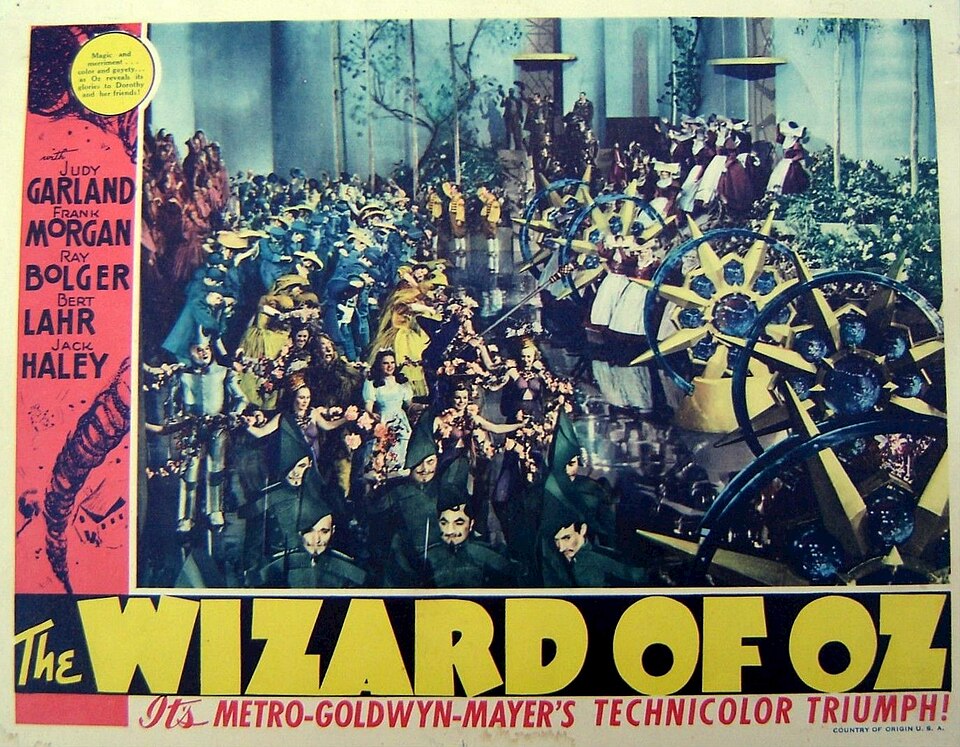
2. The 1939 MGM Film
MGM's The Wizard of Oz is the version most people remember: Judy Garland as Dorothy, Margaret Hamilton as the Wicked Witch, Billie Burke as Glinda. It is also the version Gregory Maguire has said inspired his 1995 novel — the very line "Are you a good witch or a bad witch?" is what sparked his idea. The musical keeps the film's ruby slippers, the Kansas framing, and the tornado.
3. Gregory Maguire's Wicked Years (1995–2011)
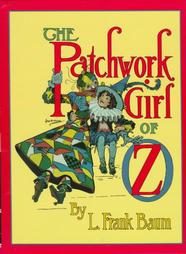
Maguire's Wicked: The Life and Times of the Wicked Witch of the West (1995) tells the story of Oz from the Witch's perspective, drawing on Baum's source material — including the 1913 novel The Patchwork Girl of Oz, the 1915 The Scarecrow of Oz, and others. The musical keeps Maguire's core reversal (Elphaba is sympathetic, the Wizard is a fraud) but strips much of the novel's adult darkness.
How to Use This Guide
- The Books — one card for each Baum novel that fed into Wicked, with a plot summary, key characters, and the specific elements the musical adapted.
- Characters — Dorothy, Glinda, the Witch, the Wizard, the Scarecrow, the Tin Man, the Lion, Boq, Fiyero, Nessarose, Doctor Dillamond, Elphaba. Each is examined as the source material presents them — not as the musical later used them.
- Places — Kansas, Munchkinland, the Yellow Brick Road, the Emerald City, the Haunted Forest, the Land of Oz, Shiz, Kiamo Ko. The geography of the source, with the locations that were added or renamed for the musical.
- Themes — the recurring ideas Baum, the 1939 film, and Maguire all explored: power, fraud, friendship, animal voicelessness, propaganda, and the meaning of being “wicked.”
- Source Map — a direct cross-reference: this scene in the musical came from this scene in this book, and so on.
- Image Sources — every illustration in this guide is a public-domain Denslow or Neill original, or a 1939 MGM still used under commentary fair use. Full attribution and license notes for each.
Looking for the Wicked show itself?
Our sister study guide — character art, locations, song breakdowns for the 2003 musical and 2024 film — lives at: